
In our busy modern lives, where stress, distraction, and digital noise seem endless, few things can bring our minds into harmony as powerfully as music.
Beyond its beauty and entertainment value, music exerts a profound influence on the brain — one that modern neuroscience is only beginning to fully appreciate.
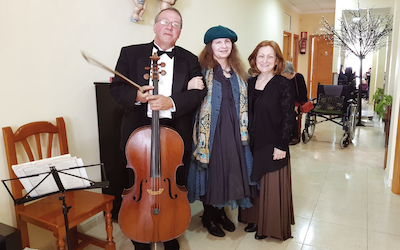
As a doctor, I often see firsthand how stress and anxiety affect both mental and physical health. Yet, when patients reconnect with something as simple and universal as music, the change can be remarkable. Music doesn’t just “lift our spirits.” It literally reshapes the brain.
Research from Harvard Medical School and other leading institutions shows that music engages almost every region of the brain — from the auditory cortex that decodes sound, to the limbic system that governs emotion, and even the motor areas that make us tap our feet. Listening to a melody activates the hippocampus and amygdala, sparking emotional memories, while rhythm synchronizes neural firing patterns that can improve movement and coordination.
In fact, the ability of music to stimulate neuroplasticity — the brain’s capacity to reorganize and form new connections — lies at the heart of its healing potential. Musical training, for example, has been shown to alter brain structure, enhancing cognitive skills such as attention, memory, and language. Even passive listening can influence brain activity in ways that promote relaxation, motivation, and social bonding.
Harvard lecturer Dr. Patrick Whelan describes this collective experience beautifully: when people gather for a concert, “the music takes over the mental faculties of all the people who are attending. It puts everyone in the same emotional space.” Whether in a church, a concert hall, or even a local beachside venue here on the Costa del Sol, that shared emotional resonance can foster empathy, connection, and wellbeing.
Why does music have such power over us? Part of the answer lies in evolution. Early mammals relied on acute hearing for survival. The same auditory pathways that once helped us detect predators now process the rich tapestry of tones, harmonies, and timbres in a musical performance.
When we listen to a familiar melody, our brain’s orbitofrontal cortex — the region involved in decision-making and prediction — becomes highly active, responding to the patterns of tension and release that define music. This dynamic engagement can mirror the cognitive patterns seen in conditions like obsessive-compulsive disorder (OCD), offering insight into how the brain anticipates and resolves uncertainty.
Clinically, music’s benefits are being harnessed across a wide range of disorders. Studies suggest that listening to Mozart’s Sonata for Two Pianos in D Major can reduce seizure frequency in some people with epilepsy. In Parkinson’s Disease, rhythmic auditory cues can improve gait and balance. For patients with Alzheimer’s, familiar tunes can rekindle long-lost memories. And in mental health, music therapy has shown measurable effects in reducing symptoms of depression and anxiety by modulating the autonomic nervous system — lowering heart rate, improving breathing, and easing muscle tension.
Music’s power lies not only in the way it affects individuals, but also in how it brings people together. From lullabies that soothe newborns to songs that comfort the elderly, music creates bridges between generations, cultures, and even species. It’s no coincidence that dogs — our most loyal companions — often respond positively to calming classical music, which can reduce anxiety and stress in shelters.
That brings me to something close to my heart — and to the hearts of many in our local community. On Friday evening, 21 November, the Gee-Mackey Duo, will perform a piano-cello concert in thr Nerja Cultural Centre. Proceeds from the concerts will be donated to APAA, Nerja’s local volunteer run dog charity that tirelessly cares for abandoned and mistreated animals. The concert promises not only a beautiful evening of live music but also a chance to support a cause that embodies compassion and connection — the same qualities music so effortlessly evokes.
So, I warmly invite you to join us that evening. Let the music move you, heal you, and remind you of the incredible bond between sound, brain, and heart. Together, we can make a difference — one note, and one paw, at a time.
Tickets are available at the APAA charity shops, the Nerja Cultural Centre and Clinica Sta Cecilia.
(Feature: Health)
Keywords: Doctor Paula Anthony, Music, Health, Nerja Cultural Centre, Clinica Sta Cecila
news, andalucia, malaga, costa del sol, axarquia, nerja, doctor paula anthony, music, health, nerja cultural centre, clinica sta cecila