
It doesn’t matter, it appears, if you have an olive grove bending under the weight of a crop because olive farmers in Granada are facing a disastrous campaign this year.
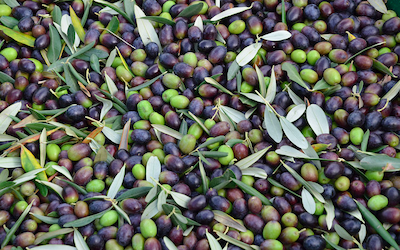
This is because the 35,000-odd farmers in Granada are facing having to sell at a loss: extra virgin olive oil (EVOO) prices have fallen from five euros a litre to 3.4 euros at origin, or in other words, that’s what the farmers get and not what you have to pay at the supermarket.
The profitability threshold is four euros a litre, so selling at 3.4 euros is a disaster, but that is what they are facing. Knowing that they are looking at the lowest prices in five years, they have to begin the campaign by hiring crop pickers to harvest the crops. But there’s a problem there, too, as there is a labour shortage.
Of the 174 municipalities in the Province of Granada, 34 are ‘olive economies’, making it Spain’s third largest, oil-producing province — the annual output for last year was 117,000 tonnes.
So what is causing this problem? Glad you asked! There are large volumes of duty-free imports from third countries (mainly Tunisia) which are severely distorting the domestic market.
And then you have what producers call an “oligopoly of bottling companies” who allegedly drive prices down artificially, using the false reasoning that there is a massive olive-oil surplus.
However, distributors argue that farmers cause the drops themselves by hoarding supply to chase higher prices and later saturating the market.
The truth is probably somewhere in between, but the same problem allegedly occurs down on the coast concerning tropical fruit, where the fruit-clearing warehouses, reportedly offer prices that barely cover production costs whilst selling what they buy at the price of gold.
For instance, avocados that are considered too small for marketing fall through the grid filters and are supposedly dumped but miraculously end up in supermarkets in the UK and German at high prices.
But anyway, back to olives and expected prices for producers. Come next month, the Junta de Andalucia will publish its annual report forecasting the size of the olive harvest this season but the cooperativas think that in Granada’s case, output will be lower than last year. In other words; there will not be an abundant crop to justify a drop in prices.
The Vega de Granada and the north of the province (Montes Orientales) are looking good but in western Granada (Poniente) the output will less owing to deficient blossoming that produces the growth of the crop. This is known as El Cuaje. For instance, if you have almond trees, it best not to cut back the grass and weeds flowers until almost June so that the bees and insects can do their work.
So, representatives in the sector are demanding a strict compliance with the Food-Chain Law and that the Junta should call upon the Central Government to persuade the European Commission to suspend duty-free, oil-entry mechanisms to protect local producers.
Anyway, things are always more complicated than they first seem, but one thing that you can be sure of; olive oil on supermarket shelves ain’t gonna be any cheaper, Folks, whatever happens.
(News: Province of Granada, Andalucia)
Keywords: Olive Crop Crisis, Poniente, Production Costs, Bottling oligopoly, duty-free imports, Farmers, Junta, Central Government, Tunisia, Energy Imports
news, andalucia, granada, olive crop crisis, poniente, production costs, bottling oligopoly, duty-free imports, farmers, junta, central government, tunisia