
Macià Batle 1856 Tinto 2022 – Manto Negro · Merlot · Syrah · Cabernet Sauvignon, Vi de la Terra Mallorca
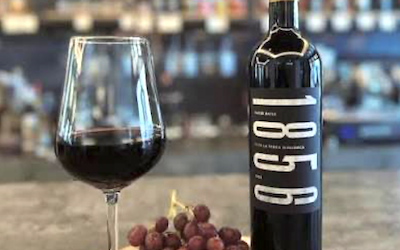
This month we have another island wine. Mallorca is an island of limestone, sea wind and hard Mediterranean light. Long before its coves, terraces and summer brightness became the familiar image of the island, vines were already part of its agricultural memory.
Phoenician and Roman viticulture, nineteenth-century export, phylloxera, abandonment, almonds, recovery: the modern Mallorcan wine landscape carries all of this history in a remarkably compressed space. Today the island has rebuilt its confidence through native grapes, calcareous soils, maritime freshness and a new generation of producers looking for a distinctive Mallorcan mark.
The vineyard landscape is shaped by the Serra de Tramuntana and the surrounding sea. The mountains gather rain, shelter the central plain and send cooler night air across parts of the island. The Mediterranean softens winter cold and tempers summer heat through regular sea breezes.
Rainfall is modest, mainly autumn and winter; summers are long, dry and luminous. This rhythm matters in the vineyard: winter water is stored in clay-rich soils, spring brings vigorous growth, summer imposes stress, and the night-time cooling preserves acidity while the grapes continue to ripen slowly.
Around Santa Maria del Camí, where Macià Batle is based, central Mallorca rests largely on calcareous clay over limestone, with red iron-rich earths and pockets of gravel. Limestone gives drainage and encourages deep roots; clay holds enough winter moisture to sustain the vine through the dry season. The soils naturally limit vigour, concentrating the fruit while keeping a firm mineral undertone. This is where the island’s savoury register begins: warm stone, dry herbs, carob, fig, fennel seed and a faint saline line carried inland by the sea air.
Mallorca’s identity is also written in its varieties. Manto Negro, the emblematic red grape of the Binissalem area, gives moderate colour, supple tannins, red fruit, spice and herbal perfume. Other local red varieties include Callet, more common in the east: fresh, delicate red fruit and fine acidity; Fogoneu: spice, earth and rustic depth. Gorgollassa: floral lift and elegance. Alongside these native grapes, Syrah, Merlot, Cabernet Sauvignon and Chardonnay have adapted well to the island’s limestone soils and maritime climate, adding structure, colour and depth around the local core.
Mallorca has two Denominaciones de Origen. DO Binissalem, centred on Binissalem, Santa Maria del Camí, Consell, Santa Eugènia and Sencelles, is the historic central Denomination. Its regulations require red wines to contain at least 30% Manto Negro; DO Pla i Llevant, in the east and south-east, covers a broader, flatter and more maritime landscape around towns such as Manacor and Felanitx, with a wider range of authorised native and international varieties.
Alongside them sits Vi de la Terra Mallorca, the island-wide IGP. It ties the wine to Mallorca while giving producers greater freedom in grape proportions, vineyard sourcing and style. The official specification requires that grapes, must and wine originate from the production area. That flexibility is central to this bottle.
Macià Batle is rooted in the Binissalem zone, yet the 1856 Tinto carries the broader Vi de la Terra Mallorca classification. The wine brings together Manto Negro, Merlot, Syrah and Cabernet Sauvignon, allowing each grape to play a clear role: Manto Negro gives the Mallorcan perfume; Merlot fills and softens the middle; Syrah adds darker spice and colour; Cabernet Sauvignon gives line, tannin and length.
In the glass, the wine shows deep ruby with violet reflections, bright and dense, with slow legs that suggest warmth and concentration. The nose opens generously: black cherry, ripe plum, blackberry and redcurrant, then moves into dried fig, carob and mulberry. The oak is present as cocoa, vanilla, cinnamon, light coffee, caramel and soft toast, giving polish without covering the fruit. With air, the more Mallorcan details come forward: rosemary, thyme, fennel seed, balsamic herbs, warm limestone and a faint saline breeze. The aromatic profile becomes broader and more savoury twenty – thirty minutes after opening the bottle.
On the palate, the entry is rounded, smooth and ripe. The fruit is dark and generous — black cherry, plum, blackberry, red fruit compote — carried by moderate acidity and polished tannins. The mid-palate brings cocoa, spice, coffee, toast and a touch of caramel, then the varieties begin to separate clearly: Manto Negro gives herbal red-fruit perfume and softness; Merlot broadens the texture; Syrah contributes jammy, dark spice and colour; Cabernet Sauvignon gives structure, a firmer line and a longer finish. The tannins are fine and resolved, more satin than grip. The finish is medium-long, warm, savoury and slightly balsamic, with lingering notes of dark fruit, cocoa, cinnamon, dry herbs and limestone dust.
This is a polished modern Mallorcan red with a clear island signature: ripe Mediterranean fruit, soft tannins, herbal warmth, calcareous freshness and a quiet saline trace. Its pleasure lies in that combination of accessibility and place. It has enough structure for food, enough fruit to drink easily, and enough Manto Negro perfume to keep it anchored in Mallorca.
Serve at 16–18 °C, open 30–45 minutes before drinking and serve it with roast lamb with rosemary, porc negre mallorquí, rabbit with herbs, sobrasada on toasted bread, mushroom rice, roasted aubergine, charred peppers, grilled vegetables, lentils with cumin, or aged Mahón cheese. We had it with arroz caldoso with seafood.
88–90 Bruja points €12,50 from https://productodeaqui.com/
(Feature: Wine, Macià Batle 1856, La Bruja del Vino)
Keywords: Macià Batle 1856, Wine, Tinto 2022, Mallorca, Manto Negro, Vi de la Terra Mallorca
feature, wine, macià batle 1856, wine, tinto 2022, mallorca, manto negro, vi de la terra mallorca, la bruja