
The Truth About Our Beaches
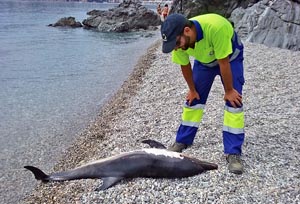 I would like to share a story with you. It’s the real story of men and women who deserve all our respect for doing a hard job that only a few would be able to endure.
They are the first ones on the beach every day, not to enjoy it but to pick up after us.
You can see them every morning of the year from sunrise onwards in their blue and yellow uniforms cleaning the beach of human waste for four hours. They have 11 kilometres of beach to clean and rake each day between them, with only 4 people to do the job in winter and more than thirty in summer.
Of course, this job is not enough and so many of them have to do work here and there to survive, support the family, pay for a home and more.
The most shocking aspect of the job is what they find on the beach and the lack of respect towards others and the environment.
“The sea spits it all out. What is not, hers it throws it out, returns it to us,” they say.nPlastic kilns from greenhouses, burned garbage bins, motorcycle parts, wooden crates used by fishermen, glass, iron, excrement and other human waste have all been collected.
The most surprising finding was an aluminium, explosive marker from the US navy that was removed with the help of the military police.
Dead creatures have also been found washed up: dolphins, turtles, seagulls, fish, jellyfish … even goats and dogs attracted by the rubbish left by people on the shore. One time they luckily managed to save a small whale.
Part of the cleaner’s uniform is long trousers to prevent cuts from glass in rubbish bags. Another serious problem is the botellón (outdoor, alcoholic parties of – usually youngsters) which is in theory illegal but in practice many look the other way. They can’t clean in the sea and glass can be very dangerous in the water.
In summer, every day there are remains of botellón and the vandalism that comes with it. There are fines for throwing rubbish and glass or not cleaning after your pet but the odds of being fined are low. And if the cleaners dare say anything, “That is why you are here, to work.” they retort.
The hardest part of the job is the heat, bending, lifting, loading weights that cause back pain and in their hands you can see osteoarthritis from the humidity.
Collecting rubbish is not so simple, you also have to rake the beach to get the butts in between the stones, another poison for the sea. They collect more than 100 kilos after a windy day and yet only one butt can contaminate up to 50 litres of water. And still people keep on throwing the most dangerous pollutants on the beach: glass, plastic and cigarette butts.

The Amigos Del Mar Association (AADM) this summer carried out a successful initiative “Cigarette butts for a drink” to motivate people to clean the beach from butts. In less than two hours more than 2,000 butts had been collected! Many people participated and the best news of all, many children were involved.
Recently, controversies about plastic polluting our seas have come to light. An average of 8-million tons of plastic drown our seas every year.
The kilns of the greenhouses known as “the plastics sea” don’t only intoxicate our earth but they invade our seas too.
Our cleaners also find kilos of plastic bags, especially after celebrations like San Juan. “The beach was covered in plastic, it looked like snow,” they say. They picked up 25 tons of waste after the night of San Juan.
The most important message from the brave beach cleaners is: You have to think that it harms us all, especially those who come after us.
The lack of civility and respect for the environment is a very serious problem here. We all need to raise awareness, starting with children. Children have to be taught at an early age, at home and in school. They copy what they see adults doing and adults set the example.
“Keeping our beaches clean is the task for us all” as the city council puts it. Imagine if I decide to dump my rubbish in your house, how would you react?
So the next time you see the cleaners on the beach, show them respect by keeping it clean and thanking them!
Do not forget that the council has a website for complaints and suggestions. Use it for the well being of our town: http://www.lineaverdealmunecar.com.
AADM-Costa Tropical is a non-profit organization with the objective of marine conservation, promoting awareness through education, workshops, cleanings of beaches and the sea and is the organizer of the annual Festival of the Sea in La Herradura.
https://www.facebook.com/AsociacionAmigosdelMar/
Written by Samy